What is NPDES and Why it Matters?
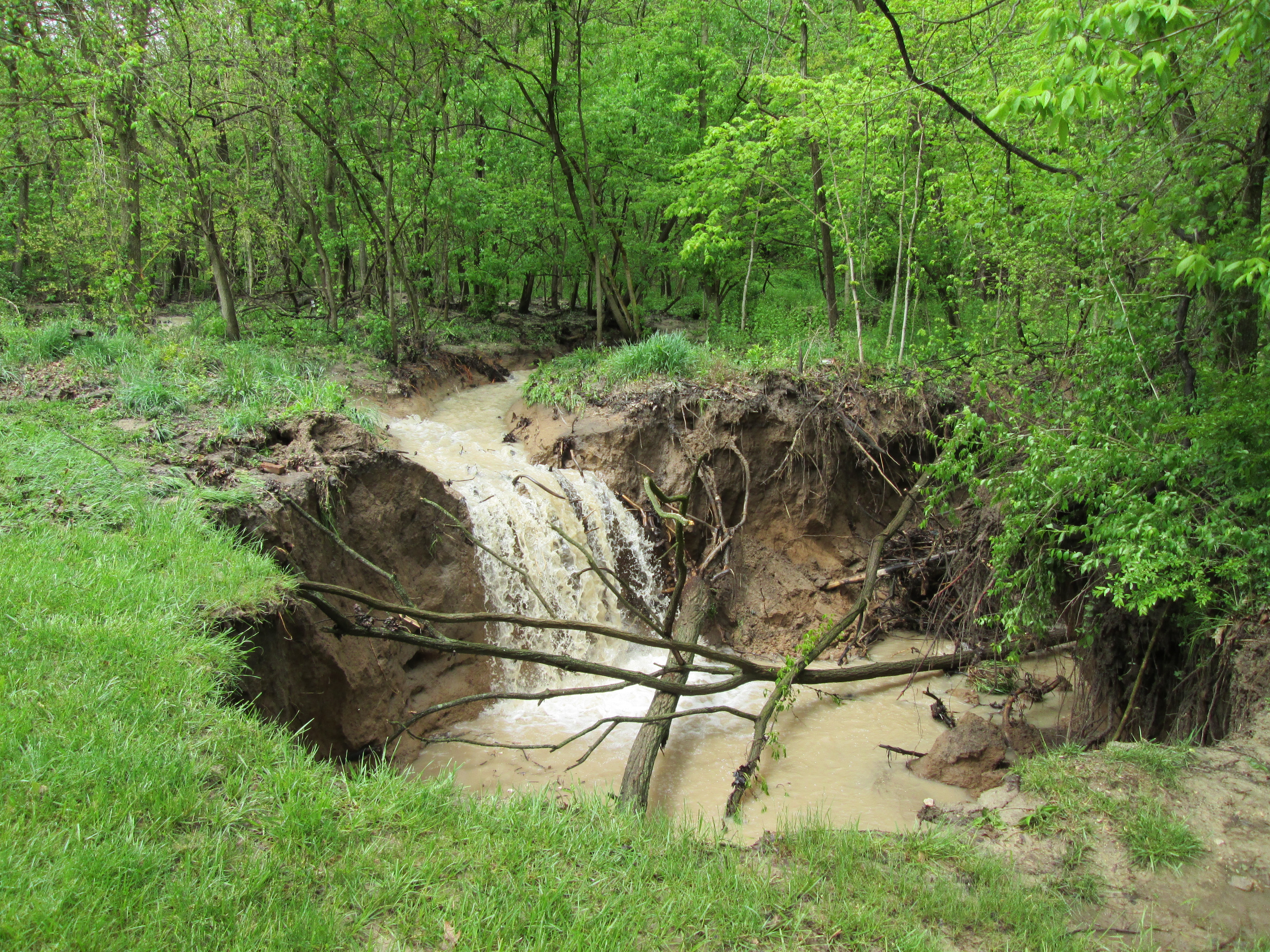
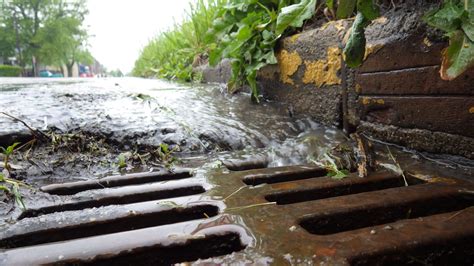
NPDES stands for the National Pollutant Discharge Elimination System, a federal stormwater permitting program created under the Clean Water Act to protect our lakes, rivers, and streams from polluted runoff. The program regulates discharges of stormwater from certain regulated sources to keep our water clean and safe for people, fish, and wildlife.
Who Must Follow NPDES Rules?
Under the NPDES stormwater program:
- Municipal Separated Storm Sewer Systems (MS4) – local government jurisdictions with stormwater systems must reduce polluted runoff and educate residents.
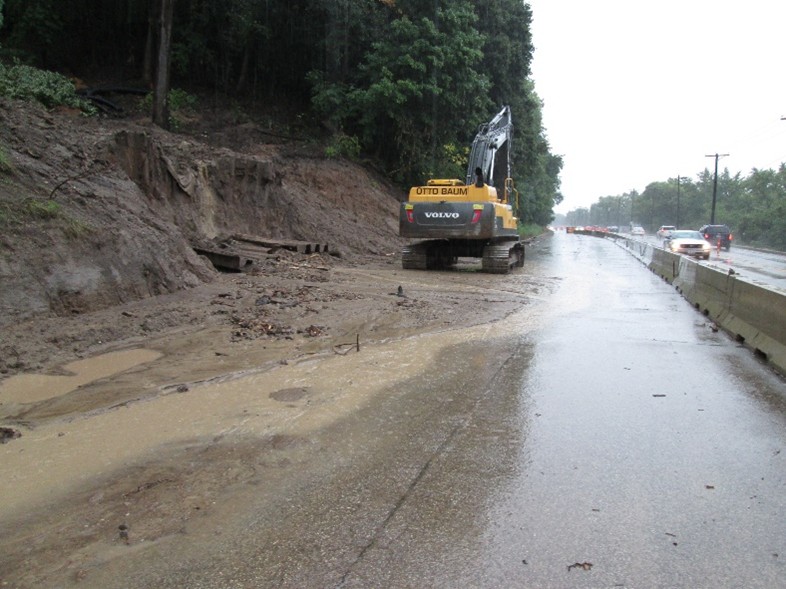
- Construction sites that disturb soil must manage runoff and control erosion.
- Certain industrial sites must control stormwater exposed to industrial materials.
Are NPDES Rules Important?
NPDES permits help communities reduce pollution and protect water quality in local water bodies. A strong stormwater program benefits everyone by:
- Protecting drinking water sources
- Maintaining healthy fish and wildlife habitat
- Reducing flooding and erosion
- Keeping waterways clean for recreation and community use
Local Partnership
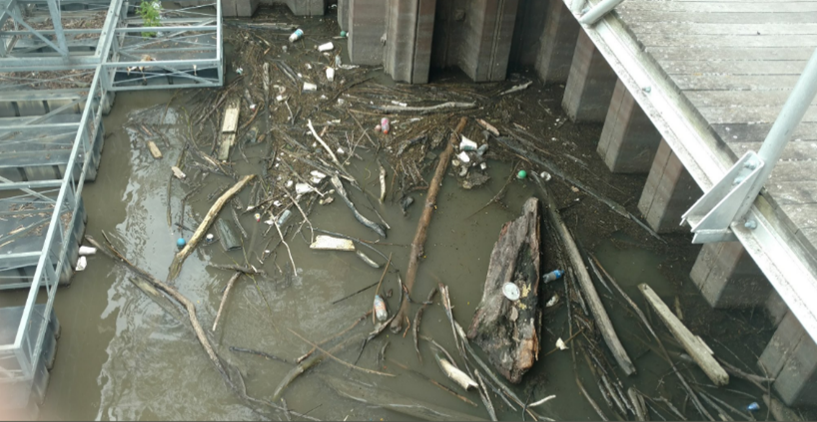
The Central Illinois Committee on NPDES Phase II Stormwater Regulations (CICN) is a collaboration of local governments working together to meet state and federal stormwater requirements and share educational materials with the public.
The CICN is made up of the following government agencies:
What does the CICN do?
Public Participation and Involvement
Each member agency provides opportunities for public participation and involvement.
Illicit discharge detection and elimination
Each member agency has various forms of stormwater mapping.
Public education and outreach
Publications to provide folks, young and old, with steps they can take to improve the quality of our water and soils.
Construction site runoff control
Each agency has various ordinances and policies regarding construction site runoff control.
Post-construction runoff control
Post-construction runoff control is commonly associated with stormwater detention ponds. Each member agency has specific requirements for ownership and maintenance of stormwater detention ponds.
Pollution prevention and good housekeeping
Each member agency performs pollution prevention/good housekeeping to help protect the environment. Street sweeping and quantity-controlled de-icing applications are just a couple of these practices.
Information and Media
The CICN is always seeking new materials and media to help educate the public about stormwater management and healthy water systems. Check back regularly for new information and resources!
What You Can do at Home: Everyday Actions to Help Water Quality
Everyone can help reduce stormwater pollution!
Keep Yard Waste Out of the Street
Leaves, grass clippings, and yard debris can wash into storm drains, where they break down and reduce oxygen in waterways. Consider sweeping grass clippings back into your lawn instead of into the street.
Use Lawn and Garden Products Wisely
Fertilizers and pesticides can wash off your lawn into stormwater. Follow label directions and consider using slow release or organic alternatives.
Wash Your Car on the Lawn or at a Car Wash
Washing cars on the street sends soapy water and oil straight into storm drains. Consider washing on grass or use a commercial car wash that recycles water.
Properly Discharge Pool Water
Swimming pool and spa water may contain chlorine, algaecides, and other chemicals that can harm streams, rivers, and aquatic life if discharged directly into storm drains, ditches, or ravines.
Slow Stormwater with Log Check Dams
Log check dams are simple structures made from logs or timber that are placed across small channels, swales, or ditches to slow the flow of stormwater, trap sediment, and prevent further erosion.
Do Not Dump Yard Waste Into Ravines
Dumping yard waste into ravines can cause serious problems by smothering deep-rooted plants that help stabilize soil and prevent erosion. Consider using leaves and grass clippings as a natural fertilizer or compost to add to your gardens.
Pick Up After Your Pet
Pet waste contains bacteria and nutrients that pollute water. Always clean up after pets, and dispose of waste properly.
Fix Car Leaks and Recycle Fluids
Oil, coolant, and other vehicle fluids can wash off driveways and streets. Repair leaks and take used oil and antifreeze to a recycling center.
Install Simple Green Infrastructure
Green solutions can help water soak into the ground instead of running off. See below for the Central Illinois Home Owners Guide to Stormwater Best Management Practices.
Assess Stormwater on Your Property
Manage stormwater on your property by understanding how it is generated and where it flows on your property. Use the below resource to develop your own Stormwater Management Plan.
More Media and Information
Publications and Resources
- How’s My Watershed
- Healthy Watersheds Begin in our Ravines
- Log Check Dams
- Illinois Ag Mag – Soil
- Peoria Lakes Conservation
- Illinois Nutrient Loss Reduction Strategy
- Mahomet Aquifer Protection Task Force: Findings and Recommendations
- Morton Stormwater Brochure
- East Peoria Stormwater Management Plan
- Road Salt, Smart Salting and Winter Maintenance
- Hazardous Household Wastes
- Watershed Based Planning
- Six Parts to Stormwater Planning
- CICN Area Map
State and Federal Resources
Illinois EPA's NPDES Site
The Illinois Environmental Protection Agency hosts a website containing additional NPDES information and Resources
MS4 Permit Requirements
Illinois EPA also hosts a site containing information and resources regarding MS4 Requirements
US EPA's NPDES Site
The United States Environmental Protection Agency hosts a website containing NPDES regulations, information, and resources